

A damaged or weakened tooth doesn’t always mean extraction. In many cases, dentists restore the tooth with a dental crown, a protective restoration that strengthens and preserves the tooth’s natural structure.
Traditionally, receiving a crown required multiple dental visits and temporary restorations. Today, same-day dental crowns offer a faster alternative. Using digital scanning and CAD/CAM technology, dentists can design, fabricate, and place a crown in a single appointment.
But patients often have important questions before choosing this treatment.
How much does a dental crown cost in Canada? Are same-day crowns covered by insurance? And how long can a crown last with proper care?
This guide explains how same-day crowns work, when dentists recommend them, their advantages and limitations, and what patients can expect to pay in Canada.
Key Takeaways
- Same‑day dental crowns allow dentists to design, create, and place a crown during a single appointment, eliminating the need for temporary crowns and follow‑up visits.
- Modern systems such as CEREC CAD/CAM technology use digital scans and computer‑guided milling to produce highly precise ceramic restorations.
- Dental crowns are commonly recommended to protect weakened teeth, restore teeth after root canal treatment, repair fractures, and improve cosmetic appearance.
- In Canada, the cost of a dental crown typically ranges from $1,000 to $2,500, depending on the material, clinic technology, and provincial fee guides.
- Same‑day crowns offer convenience and immediate protection, but traditional lab‑fabricated crowns may still be recommended for certain complex cases.
What is a crown for a tooth, and when do dentists recommend it?
A dental crown is essentially a protective “cap” placed over a damaged or weakened tooth. Instead of removing the tooth entirely, dentists reshape the existing tooth and cover it with a custom restoration that restores its strength, function, and appearance. The result is a tooth that can handle everyday chewing forces again, while also looking natural.
Dentists typically recommend crowns when a tooth has been compromised in a way that simple fillings or bonding cannot adequately repair. A crown reinforces the remaining structure of the tooth and protects it from further fracture. Without that protection, a damaged tooth may continue to deteriorate until extraction becomes the only option.
The main purpose of dental crowns
Dental crowns are used in several clinical situations. Although they may appear simple, their function goes far beyond cosmetic repair.
Common reasons dentists recommend crowns include:
- Protecting weak teeth that have large fillings or structural damage
- Restoring broken or severely worn teeth
- Covering a tooth after root canal therapy to prevent fracture
- Supporting a dental bridge
- Improving cosmetic appearance for misshapen or discoloured teeth
The protective role of a crown becomes especially important after a root canal. During root canal therapy, the infected pulp inside the tooth is removed. While this eliminates infection, it also leaves the tooth more brittle. A crown acts as a structural reinforcement, distributing biting forces evenly across the tooth.
According to research summarized by the Canadian Dental Association, teeth that receive crowns after root canal treatment have significantly improved long‑term survival compared with teeth restored only with fillings.
Types of dental crowns used in modern dentistry
Dental crowns are not all made from the same material. Dentists choose the crown type based on the tooth’s location, remaining tooth structure, and the patient’s aesthetic goals.
The most commonly used crown materials include:
- Porcelain or ceramic crowns
These crowns are highly aesthetic and mimic the natural translucency of enamel. They are commonly used for front teeth and for same‑day crowns produced with digital systems.
- Porcelain‑fused‑to‑metal crowns
These combine a metal base with a porcelain exterior. They provide strength while still offering a natural appearance, though the metal layer may sometimes become visible near the gumline over time.
- Gold or metal alloy crowns
Metal crowns are extremely durable and resist wear well. They are often used for molars, where chewing forces are strongest.
- Zirconia crowns
Zirconia is a modern ceramic material known for both strength and aesthetics. Many digital same‑day systems mill zirconia restorations due to their durability.
Symptoms that may indicate a crown is needed
Patients rarely walk into a dental clinic asking specifically for a crown. Instead, they usually notice symptoms that signal a deeper structural problem.
Some of the most common warning signs include:
- Persistent tooth pain when chewing
- A tooth that has cracked or chipped
- A large filling that is beginning to fail
- Severe tooth wear from grinding
- Discolouration or cosmetic damage
In many cases, these symptoms indicate that the tooth structure has weakened to the point where a filling alone cannot provide long‑term stability.
Ignoring these warning signs can lead to more extensive treatments later. For example, a cracked tooth that is not protected by a crown may eventually split vertically, making extraction unavoidable.
The dentist evaluation process
Determining whether a crown is necessary requires a thorough dental examination. Dentists typically combine several diagnostic tools to evaluate the tooth’s condition.
The evaluation process often includes:
- Clinical examination – The dentist visually inspects the tooth and surrounding tissues.
- Digital X‑rays – These help detect fractures, decay under existing fillings, or infection around the root.
- Bite analysis – The dentist evaluates how chewing forces affect the tooth.
- Structural assessment – The remaining enamel and dentin are assessed to determine whether the tooth can support a crown.
Only after this evaluation can a dentist determine whether a crown is the most appropriate treatment option.
As Dr. Blair Farbstein explains.
“Preserving the natural tooth is always our priority. When a tooth becomes structurally compromised, a crown allows us to restore strength and function while keeping the original tooth in place.”
This philosophy reflects a broader trend in modern dentistry: focusing on conservative treatments that preserve natural tooth structure whenever possible.
Ultimately, dental crowns serve as a bridge between preventive care and advanced restorative dentistry. They allow dentists to save teeth that might otherwise require extraction while restoring both function and appearance.
In recent years, technological advances have transformed how crowns are made and delivered. Digital scanning, computer‑aided design, and in‑office milling have made it possible to complete many crown procedures in just one visit.
The next section explores how these same‑day crown systems work and how they differ from traditional lab‑fabricated crowns.
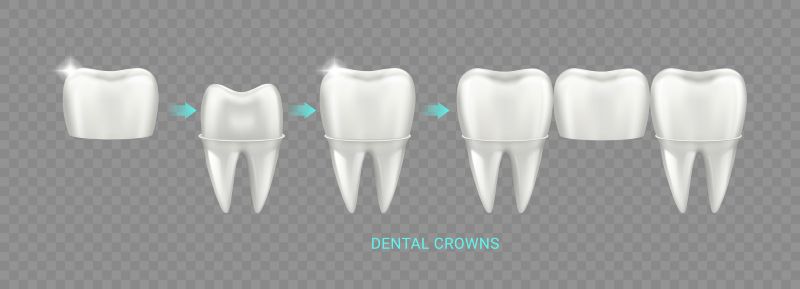
File Name types-of-dental-crowns-ceramic-zirconia-metal.jpg
Alt Text Illustration showing different types of dental crowns used in modern dentistry, including ceramic, zirconia, porcelain-fused-to-metal, and metal crowns.
Title Types of dental crowns used in restorative dentistry
What factors influence the cost of dental crowns for patients?
Dental crown pricing can vary significantly between clinics, even within the same city. Many patients assume the price depends only on the crown itself, but in reality, several clinical and technical factors influence the final cost.
Understanding these variables helps patients make informed decisions and avoid unexpected expenses during treatment planning.
Crown material
One of the largest factors influencing cost is the material used to fabricate the crown.
Each material has different manufacturing requirements, durability levels, and aesthetic properties. For example, zirconia crowns require specialized milling equipment and advanced materials, which can increase the cost compared with traditional metal crowns.
Ceramic and porcelain crowns often fall in the mid‑to‑upper price range because they provide the most natural appearance. These crowns are commonly chosen for visible teeth where aesthetics matter.
Metal crowns, particularly gold alloys, may cost less in some cases because they require less cosmetic layering and finishing.
Tooth location in the mouth
The position of the tooth also plays a role in determining crown design and cost.
Front teeth require highly aesthetic restorations that match the surrounding enamel colour and translucency. This often involves more advanced materials or detailed laboratory work.
Molars, on the other hand, must withstand significantly higher chewing forces. Dentists may recommend stronger materials such as zirconia or metal alloys, which can influence overall pricing.
Dentist expertise and clinic technology
The dentist’s experience and the technology used in the clinic also affect the final cost of treatment.
Clinics equipped with digital scanning systems and in‑house milling technology can produce crowns during a single visit. While these systems require major investment, they may reduce laboratory costs and shorten treatment time.
Practices using advanced imaging tools, digital impressions, and CAD/CAM manufacturing systems often provide more precise restorations, thereby contributing to both cost and quality.
Diagnostic imaging and treatment planning
Before placing a crown, dentists typically perform diagnostic imaging to evaluate the tooth structure and surrounding bone.
This may include:
- Digital X‑rays
- 3D imaging or CBCT scans
- Bite analysis
- Occlusion assessment
These diagnostic steps ensure the crown fits properly and prevents complications such as bite imbalance or undetected infection.
Additional dental procedures
Sometimes a crown cannot be placed immediately because additional treatment is required first.
Common procedures performed before crown placement include:
- Root canal therapy
- Core buildup to strengthen the tooth
- Removal of deep decay
- Gum treatment if the margin is below the gumline
Each additional procedure increases the overall cost of treatment but ensures the crown will function properly in the long term.
Estimated crown cost factors in Canada
| Factor | How it Influences Cost |
| Crown material | Zirconia and ceramic crowns often cost more than metal crowns |
| Tooth location | Front teeth require a more aesthetic design |
| Dentist experience | Specialized restorative expertise may influence pricing |
| Diagnostic imaging | X‑rays or 3D scans may be required before treatment |
| Additional procedures | Root canal therapy or tooth buildup increases the total cost |
According to fee guidelines from Canadian dental associations, the typical crown procedure includes tooth preparation, crown fabrication, and placement. Additional treatments are usually billed separately.
Understanding these factors helps patients evaluate treatment plans more clearly and discuss options with their dentist.
What types of dental crowns are available today?
Dental technology has advanced significantly over the past two decades, and modern patients now have several crown materials to choose from. Each option offers different strengths, aesthetics, and durability levels.
Choosing the right crown often involves balancing cosmetic goals with long‑term strength.
Porcelain crowns
Porcelain crowns are widely used for restoring front teeth because they closely mimic natural enamel. Their translucent appearance reflects light in a way that resembles natural teeth.
Dentists often recommend porcelain crowns when aesthetic results are a priority, particularly for visible teeth in the smile zone.
However, porcelain can be slightly less durable than zirconia in heavy-chewing areas.
Zirconia crowns
Zirconia crowns have become one of the most popular restorative options in modern dentistry. Zirconia is a strong ceramic material that can withstand high chewing pressure.
Many same‑day crown systems use zirconia because it can be digitally milled with high precision. These crowns combine strength with a natural appearance, making them suitable for both front and back teeth.
Porcelain‑fused‑to‑metal crowns
Porcelain‑fused‑to‑metal crowns include a metal base layer covered by porcelain. The metal provides structural strength while the porcelain creates a natural tooth‑like appearance.
These crowns have been used for decades and remain a reliable restorative option.
One drawback is that the metal edge can sometimes become visible near the gumline as gums recede over time.
Metal crowns
Metal crowns are typically made from gold or other metal alloys. While they are less commonly used for visible teeth, they are extremely durable and resistant to wear.
Dentists may recommend them for molars where chewing pressure is highest.
Crown material comparison
| Crown Type | Strength | Aesthetic Appearance | Typical Use |
| Porcelain | Moderate | Excellent | Front teeth |
| Zirconia | Very high | Very good | Front and back teeth |
| Porcelain‑fused‑to‑metal | High | Good | General restorative use |
| Metal | Extremely high | Low | Molars |
Research published in the Journal of Prosthetic Dentistry has also shown that zirconia crowns demonstrate excellent long‑term strength and fracture resistance.
How long do dental crowns usually last with proper care?
Dental crowns are designed to be long‑term restorations, but they are not permanent. Their lifespan depends on material durability, oral hygiene habits, and regular dental maintenance.
Most crowns last 10 to 15 years, although many remain functional for 20 years or longer with proper care.
Average lifespan by crown material
Different materials wear at different rates.
| Crown Material | Average Lifespan |
| Porcelain | 10–15 years |
| Zirconia | 15–20 years |
| Porcelain‑fused‑to‑metal | 12–15 years |
| Metal alloys | 15–20+ years |
These estimates are based on clinical studies evaluating long‑term crown performance.
Oral hygiene habits
Although crowns themselves cannot decay, the tooth structure underneath them still can.
Proper oral hygiene plays a major role in the longevity of crowns. Patients should maintain:
- Daily brushing with fluoride toothpaste
- Regular flossing around the crown margin
- Professional dental cleanings
Neglecting oral hygiene can allow bacteria to accumulate near the crown margin, potentially leading to decay beneath the restoration.
Bite forces and habits
Excessive bite pressure can also shorten a crown’s lifespan. Patients who grind their teeth at night—known as bruxism—may experience faster wear or fracture of dental restorations.
Dentists often recommend night guards for patients who grind their teeth to protect crowns and natural teeth.
Regular dental examinations
Routine dental visits allow dentists to monitor the condition of crowns and detect early problems.
During checkups, dentists examine:
- Crown margins
- Gum health
- Bite alignment
- Signs of wear or microfractures
Long‑term studies in restorative dentistry support this perspective. Research evaluating crown survival rates shows that well‑maintained crowns often remain functional for decades.
Ultimately, the lifespan of a crown depends on a combination of clinical quality, material selection, and patient care habits.
When patients follow their dentist’s recommendations and maintain consistent oral hygiene, dental crowns can provide reliable protection and restore normal chewing function for many years.
Are same-day crowns covered by dental insurance in Canada?
Dental insurance coverage for crowns varies by insurance provider and individual policy. However, many Canadian dental plans provide partial coverage for restorative procedures such as crowns when they are considered medically necessary.
Insurance plans typically classify crowns as a major restorative service, which means reimbursement rates and annual limits may apply.
Typical insurance reimbursement
Many employer-sponsored dental plans cover approximately 50% of the cost of major restorative procedures, including crowns. However, this percentage can vary between policies.
Some insurance plans reimburse crowns only when they are required to restore tooth function rather than for cosmetic purposes.
According to information published by the Canadian Life and Health Insurance Association (https://www.clhia.ca), dental plans often include different coverage levels for preventive, basic, and major restorative services.
Annual coverage limits
Most dental insurance plans include an annual maximum benefit. This means that even if a crown is partially covered, the patient may still pay part of the cost if the annual limit has already been reached.
Typical annual limits range from:
- $1,000
- $1,500
- $2,000
Because crowns can cost over $1,000, these limits may affect the amount of reimbursement a patient receives.
Direct billing practices
Many dental clinics in Canada offer direct billing to insurance providers. This allows the clinic to submit claims directly to the insurance company, so the patient only pays the remaining balance.
Direct billing simplifies the payment process and helps patients understand their out‑of‑pocket expenses before treatment begins.
Same-day crowns vs traditional crowns
Insurance coverage usually applies to the crown procedure itself, not necessarily how the crown is manufactured.
This means that both traditional lab crowns and same‑day crowns may be eligible for reimbursement if they meet insurance criteria.
However, patients should always verify coverage with their insurance provider before treatment.
How can patients care for a dental crown to make it last longer?
Proper maintenance plays a major role in extending the lifespan of a dental crown. Although crowns are durable, daily habits and oral hygiene routines directly affect how long they remain functional.
Dentists generally recommend a combination of good oral hygiene practices and regular dental monitoring.
Step-by-step care routine
- Brush twice daily
Use a soft‑bristled toothbrush and fluoride toothpaste to remove plaque from the crown surface and surrounding gumline. - Floss carefully around the crown
Flossing helps remove plaque and food particles that accumulate near the crown margin. - Avoid extremely hard foods
Biting down on ice, hard candy, or very hard nuts can place excessive pressure on crowns. - Wear a night guard if you grind your teeth
Patients with bruxism may unintentionally place heavy pressure on crowns during sleep. - Attend regular dental checkups
Routine dental examinations allow dentists to monitor the condition of crowns and detect potential problems early.
Professional maintenance
Professional cleanings remove plaque and tartar that brushing alone cannot remove.
Dentists also examine crown margins to ensure that bacteria are not accumulating around the restoration.
Research discussed in restorative dentistry literature suggests that crowns maintained with consistent oral hygiene and professional monitoring have significantly higher long‑term survival rates.
What are the key takeaways about same-day dental crowns and their cost in Canada?
Same-day dental crowns represent a major advancement in restorative dentistry. By using digital scanning and in‑office milling technology, dentists can design and place a crown in a single appointment.
This approach reduces treatment time and eliminates the need for temporary crowns.
However, same-day crowns are not always the best option for every case. Traditional laboratory crowns may still be recommended for complex restorations.
Benefits and considerations
| Aspect | Same-Day Crowns | Traditional Crowns |
| Appointments | One visit | Two or more visits |
| Temporary crown | Usually not required | Often required |
| Fabrication | In-office milling | Dental laboratory |
| Turnaround time | Same day | 1–2 weeks |
Average dental crown costs in Canada
| Crown Type | Estimated Cost |
| Ceramic crown | $1,200 – $2,200 |
| Zirconia crown | $1,300 – $2,500 |
| Porcelain‑fused‑to‑metal | $1,100 – $2,000 |
| Metal crown | $1,000 – $1,800 |
These estimates are based on dental fee guides and commonly reported pricing across Canadian dental clinics.
Discussing crown options with your dentist
Choosing the right crown involves discussing several factors with a dentist, including:
- Tooth location
- Desired aesthetics
- Durability requirements
- Insurance coverage
- Budget considerations
Ultimately, dental crowns remain one of the most effective ways to preserve damaged teeth while restoring normal chewing function. With modern digital dentistry and proper care, many crowns provide reliable protection for many years.
FAQ
What is a same-day dental crown?
A same-day dental crown is a tooth restoration designed, manufactured, and placed during a single dental appointment using digital scanning and CAD/CAM technology.
Are same-day crowns as strong as traditional crowns?
Yes, in many cases they are. Same-day crowns are commonly made from durable ceramic or zirconia materials that provide strength and a natural appearance.
How much does a dental crown cost in Canada?
The average cost of a dental crown in Canada typically ranges from $1,000 to $2,500, depending on the material used, the complexity of the procedure, and the dental clinic.
Does dental insurance cover crowns in Canada?
Many Canadian dental insurance plans cover about 50% of the cost of major restorative treatments, such as crowns, although coverage varies by policy and annual limits.
How long do dental crowns usually last?
Most dental crowns last 10 to 15 years, and in many cases even longer with proper oral hygiene, regular dental visits, and avoiding excessive bite pressure.