

Have you ever felt tooth pain that no filling or painkiller could fix — only to realize your sinuses were to blame? It happens more often than you’d think. Sinus infections can sneak up behind what feels like a toothache, pressing on the roots of your upper molars and causing dull, one-sided pain that mimics decay. Understanding this connection is more than a curiosity — it can save you from unnecessary dental work and weeks of frustration. Let’s unpack how your sinuses and teeth are linked, and what to do when they start to “talk” to each other.
Key Takeaways
- Sinus infections (sinusitis) can mimic or worsen upper tooth pain, especially around the molars.
- The maxillary sinus, located just above the upper teeth, is most often responsible for this discomfort.
- Distinguishing sinus-related pain from true dental problems is essential to avoid unnecessary treatments.
- Expert advice and clinical imaging can help determine whether tooth pain originates from the sinuses or the teeth.
What Is a Sinus Infection and How Does It Develop?
A sinus infection, or sinusitis, occurs when the air-filled spaces within the bones around your nose (the sinuses) become inflamed or blocked. This can happen due to infection, allergies, or structural issues that prevent proper drainage. The result? A buildup of mucus, pressure, and sometimes pain that radiates to nearby areas — including the teeth.
Types of Sinusitis
Sinusitis is typically divided into two main categories:
| Type | Duration | Common Causes | Typical Symptoms |
|---|---|---|---|
| Acute Sinusitis | Up to 4 weeks | Viral or bacterial infection following a cold | Facial pressure, nasal congestion, post-nasal drip |
| Chronic Sinusitis | 12 weeks or longer | Ongoing inflammation due to allergies, nasal polyps, or infection | Persistent nasal blockage, thick discharge, fatigue, dull ache around the eyes and cheeks |
The maxillary sinuses, located just above the upper teeth, are particularly close to the roots of the molars and premolars. This proximity makes tooth discomfort a frequent companion to sinus infections.
How It Develops
It usually starts with a cold, flu, or allergic reaction that causes swelling in the nasal passages. This swelling blocks the sinus openings, trapping mucus and air inside. Over time, bacteria or viruses can multiply, leading to infection.
As pressure builds up inside these cavities, pain often radiates into nearby structures — including the upper jaw.
According to the Canadian Dental Association, pain that originates from non-dental sources — such as sinus inflammation — can mimic a toothache. This often leads to unnecessary dental treatments if the true source of the pain is not accurately diagnosed.
How Can a Sinus Infection Cause Tooth Pain Specifically?
The anatomical link between your sinuses and teeth explains why a sinus infection can trigger dental pain. The maxillary sinuses sit directly above the upper molars and premolars, with roots often separated from the sinus floor by only a thin layer of bone — or sometimes, none at all.
When a sinus becomes inflamed or filled with fluid, the increased pressure and inflammation can irritate the nearby nerve endings connected to your teeth. This irritation can make it feel as though the pain originates in the teeth, even though the real source is the sinus cavity.
Dr. Blair Farbstein explains: “Many patients come in complaining of upper tooth pain, especially during a cold or sinus infection. When we take X-rays, we often see clear signs of sinus congestion pressing against the roots of the teeth.”
Typical Symptoms of Sinus-Related Tooth Pain
- Dull, constant ache rather than sharp or throbbing pain
- Pain increases when bending forward or lying down
- Discomfort affects several upper teeth (often molars and premolars)
- Nasal congestion or facial fullness accompanies the pain
- No visible dental decay or gum inflammation
If the pain moves or worsens with changes in head position or nasal congestion, it likely originates from the sinuses. On the other hand, if the pain is localized to one tooth and persists despite sinus relief, a dental cause should be investigated.
Which Teeth Are Usually Affected by Sinus Infection Tooth Pain?
The teeth most commonly affected are the upper molars and, occasionally, the premolars. These are the teeth located just beneath the maxillary sinuses, making them the most vulnerable to sinus pressure.
Common Characteristics of Sinus-Related Tooth Pain
| Feature | Sinus-Related Tooth Pain | Decay or Dental Pain |
|---|---|---|
| Location | Usually multiple upper molars on one side | Typically one tooth |
| Type of Pain | Dull, heavy pressure | Sharp or throbbing |
| Trigger | Worsens with sinus pressure, bending forward, or lying down | Triggered by hot/cold food or biting |
| Other Symptoms | Nasal congestion, post-nasal drip, facial fullness | Tooth sensitivity, swelling, visible decay |
Why Upper Molars Are Most Affected
The roots of the upper molars are often separated from the sinus floor by just millimetres. In some individuals, the roots even protrude slightly into the sinus cavity. This close anatomical relationship allows sinus inflammation to transfer pressure directly to the tooth roots.
When the sinus becomes blocked, fluid buildup exerts pressure on these roots, producing pain that can feel identical to a toothache. The discomfort typically affects only one side of the mouth, depending on which sinus is infected.
Distinguishing the Source of Pain
A good diagnostic test involves leaning forward: if the pain intensifies, it’s more likely sinus-related. Dentists may also use percussion tests (tapping the tooth) or dental X-rays to confirm the absence of decay.
Can a Sinus Infection Affect Your Teeth Even Without Nasal Symptoms?
A sinus infection can affect your teeth even if you don’t have nasal symptoms. This often occurs in cases of silent sinus syndrome (SSS) or subclinical sinusitis, where inflammation progresses slowly and quietly. Patients might experience only tooth discomfort, mild facial pressure, or a sensation of fullness in the upper jaw, without congestion, discharge, or a stuffy nose.
Silent Sinus Syndrome Explained
Silent sinus syndrome is a rare but documented condition in which the maxillary sinus gradually collapses due to long-term obstruction. The blockage prevents proper air exchange, leading to negative pressure inside the sinus. Over time, this pressure draws the sinus walls inward, sometimes even affecting the position of the eye or cheekbone.
While nasal congestion may be absent, the negative sinus pressure can still cause:
- Dull aching in the upper molars
- Sensation of “pulling” or “tightness” under the eye
- Facial asymmetry or mild swelling
According to Dr. Yonit Levin, MD, an otolaryngologist (ENT specialist) at the University of Toronto, “It’s not uncommon to see patients whose only symptom of maxillary sinus disease is tooth or cheek pain. Imaging reveals extensive sinus involvement, even when the nasal passages appear clear.”
Diagnostic Challenges
The absence of nasal symptoms complicates the diagnosis. Dentists may initially suspect pulpitis or root canal issues, but CT or cone-beam imaging often shows sinus fluid accumulation or mucosal thickening near the upper molars.
This clinical reference notes that sinusitis symptoms vary widely and that pain or dental discomfort may occur even when typical nasal signs are absent, making diagnosis challenging.
Why Is Sinus Tooth Pain Often Felt Only on One Side?
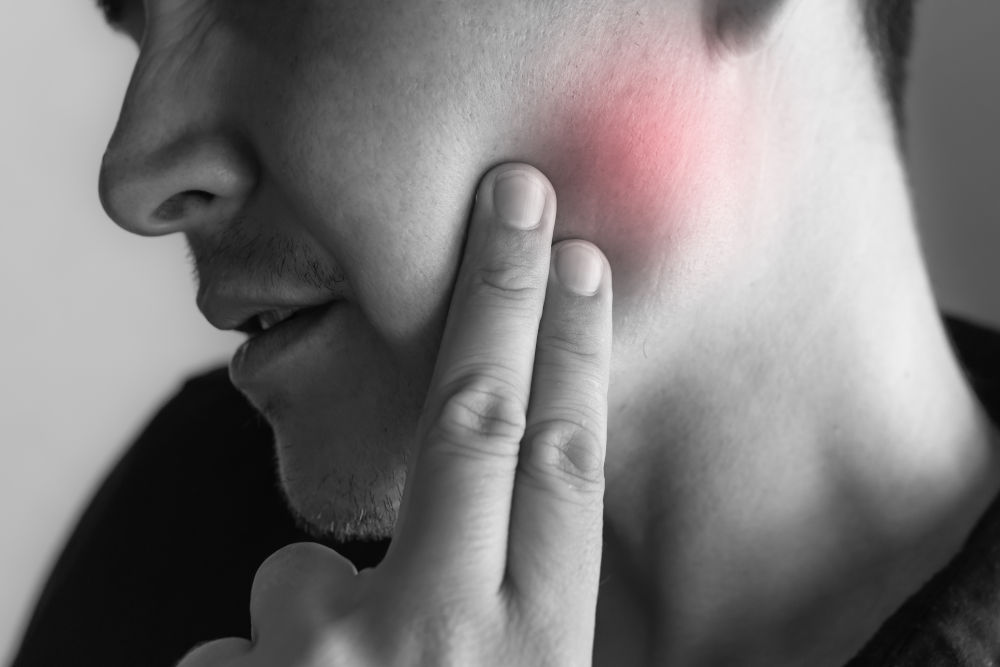
Sinus-related tooth pain is frequently unilateral, meaning it appears only on one side of the mouth. The reason lies in the anatomical asymmetry of the sinus cavities. Each person’s sinus structure is slightly different — one cavity may be larger, lower, or more prone to blockage than the other.
How Asymmetry Causes One-Sided Pain
When only one maxillary sinus becomes inflamed, the resulting pressure directly affects the corresponding side’s upper teeth. The opposing side remains normal, creating a distinct one-sided toothache.
This pain may worsen when lying on the affected side due to increased sinus pressure. Interestingly, the pain can shift slightly when the person changes head position, something rarely seen in a dental-origin toothache.
What Are the Symptoms of Dental Sinus Infections vs. Regular Sinusitis?
Sinus infections can originate from two main sources: dental (odontogenic) and non-dental (viral or bacterial). Understanding their differences helps clinicians choose the right treatment approach.
Dental vs. Regular Sinusitis
| Feature | Dental (Odontogenic) Sinusitis | Regular Sinusitis (Viral/Bacterial) |
|---|---|---|
| Cause | Infection from the upper molar or premolar spreading into the sinus | Respiratory infection, allergies, or environmental factors |
| Pain Location | Upper molars, one-sided | Facial pressure, forehead, cheeks |
| Nasal Symptoms | Often mild or absent | Commonly include congestion, discharge, and reduced smell |
| Discharge | Possible pus draining through one nostril | Clear or yellowish nasal discharge |
| Treatment | Root canal therapy, extraction, and antibiotics | Decongestants, nasal steroids, rest, hydration |
| Diagnosis | Dental X-ray or CT shows root penetration into the sinus floor | ENT evaluation, sinus imaging |
Dentists and ENT specialists should collaborate in ambiguous cases. When both sinus and dental symptoms coexist, treating only one side of the problem can lead to recurrence. Coordinated care ensures both the tooth infection and the sinus inflammation are addressed.
How to Distinguish Sinus Pain from Real Tooth Pain?
Telling sinus pain apart from genuine tooth pain can be challenging, even for experienced patients. The overlap in symptoms often leads to misdiagnosis and unnecessary dental procedures. However, by following a structured diagnostic approach, it becomes easier to determine the source.
Step-by-Step Diagnostic Guide
- Assess the Pain Location:
- Sinus pain: Usually affects several upper teeth on one side, particularly molars and premolars.
- Tooth pain: Typically localized to a single tooth.
- Evaluate Pain Quality:
- Sinus pain: Dull, heavy pressure that worsens when leaning forward.
- Tooth pain: Sharp, shooting, or throbbing; worsens when biting or exposed to hot/cold.
- Look for Nasal or Facial Symptoms:
- Sinus pain: Often accompanied by nasal congestion, post-nasal drip, and facial fullness.
- Tooth pain: May include gum swelling or visible decay without sinus congestion.
- Check for Pain Triggers:
- Sinus pain: May change intensity with body position or air pressure.
- Tooth pain: Responds directly to physical or thermal stimuli.
- Consult the Right Specialist:
- Start with a dentist if pain seems localized to a tooth.
- Visit an ENT specialist if pain persists after dental causes are ruled out.
Quick Checklist
| Indicator | Suggests Sinus Pain | Suggests Tooth Pain |
|---|---|---|
| Pain Location | Multiple upper molars | One tooth |
| Pain Type | Dull pressure | Sharp, localized |
| Nasal Congestion | Common | Rare |
| Change with Position | Yes | No |
| Visible Decay | No | Often present |
| Pain with Temperature | Unlikely | Common |

Can Sinus Pain Cause Long-Term Dental Issues?
Chronic sinus inflammation doesn’t just cause temporary tooth discomfort — it can lead to long-term changes in the jawbone and dental structures if untreated. Prolonged infection or pressure from sinusitis can gradually affect bone density and surrounding tissues.
Bone Resorption and Inflammation
The maxillary sinus floor shares its boundary with the roots of the upper molars. Repeated or chronic sinus infections can induce osteitis (inflammation of bone tissue), potentially leading to mild bone resorption. Over time, this may result in loosening of teeth or chewing discomfort.
Misdiagnosis and Over-Treatment Risks
Chronic sinus pain often mimics a dental infection. Without proper imaging, patients may undergo unnecessary root canals or extractions, only to find pain persists afterward. The Canadian Dental Association emphasizes that panoramic radiographs or CBCT scans should always be reviewed before any invasive dental procedure if sinus involvement is suspected.
Preventive Measures
- Treat sinus infections promptly with physician guidance.
- Avoid overuse of nasal decongestants that can worsen inflammation.
- Maintain good oral hygiene to prevent dental infections that could spread into the sinuses.
- Schedule joint ENT–dental consultations for persistent or recurrent pain.
What Treatments Relieve Tooth Pain Caused by Sinus Infections?
Treatment for sinus-related tooth pain focuses on reducing sinus inflammation and restoring proper drainage rather than dental intervention. When the sinus clears, tooth pain usually resolves naturally.
Step-by-Step Relief Guide
- Identify the Underlying Cause:
Determine whether the infection is bacterial, viral, or allergic. Only bacterial infections typically require antibiotics. - Reduce Sinus Pressure:
- Use saline nasal sprays or nasal irrigation systems (e.g., Neti pot).
- Apply warm compresses to the face to relieve pressure.
- Stay well-hydrated to keep mucus thin.
- Control Inflammation:
- Use nasal corticosteroids (fluticasone, mometasone) as prescribed.
- Over-the-counter decongestants can temporarily ease swelling.
- Address Infection if Present:
- For bacterial sinusitis, a doctor may prescribe amoxicillin-clavulanate or a similar antibiotic.
- Viral sinusitis usually resolves within 7–10 days without antibiotics.
- Relieve Pain:
- Ibuprofen or acetaminophen can ease discomfort.
- Avoid unnecessary dental procedures while sinus symptoms persist.
Treatment Comparison Table
| Treatment Type | Examples | Purpose | Notes |
|---|---|---|---|
| Decongestants | Pseudoephedrine, Oxymetazoline | Reduce nasal swelling | Short-term use only (≤3 days) |
| Antibiotics | Amoxicillin-Clavulanate | Clear bacterial infection | Prescribed by a physician |
| Nasal Steroids | Fluticasone, Mometasone | Decrease inflammation | Safe for long-term use |
| Saline Irrigation | Neti pot, saline sprays | Improve mucus drainage | Daily use recommended |
| Pain Relievers | Ibuprofen, Acetaminophen | Manage discomfort | Avoid excessive dosage |
When to See a Professional
Seek immediate evaluation if:
- Pain persists longer than 10 days.
- There is swelling around the eyes or cheeks.
- You experience fever or thick, discoloured nasal discharge.
- Dental pain doesn’t resolve after sinus treatment.
When Should You See a Doctor or Dentist for Sinus Tooth Pain?
Knowing when to seek professional help is crucial to preventing complications or unnecessary dental procedures. Sinus-related tooth pain can often resolve with simple home care, but certain signs indicate it’s time for medical evaluation.
When to Seek Immediate Attention
- Persistent pain lasting more than 10 days
- Fever or chills accompanying tooth or facial pain
- Swelling around the eyes or upper cheeks
- Discoloured nasal discharge (yellow or green)
- Severe one-sided pain unresponsive to over-the-counter medications
These symptoms may indicate bacterial sinusitis or an underlying dental infection that has spread to the sinus cavity.
Choosing the Right Specialist
- Start with a Dentist if pain is localized to a single tooth, especially if triggered by chewing or temperature changes. The dentist can rule out decay or pulp infection.
- Visit an ENT (Ear, Nose & Throat) Specialist if pain involves several teeth, occurs with sinus pressure, or follows cold or allergy symptoms.
Decision Flowchart: Who to See?
| Symptom | Suggested Specialist | Rationale |
|---|---|---|
| Pain in one tooth, sensitivity to hot/cold | Dentist | Likely dental cause |
| Pain in several upper teeth + nasal congestion | ENT | Likely sinus-related |
| Pressure when bending forward | ENT | Sinus cavity involvement |
| Recent dental work + facial pressure | Both (Joint evaluation) | Possible odontogenic sinusitis |
Self-Care vs. Clinical Care
Mild sinus pain can often be managed with hydration, steam inhalation, nasal rinses, and rest. However, if the pain worsens, persists, or spreads, clinical evaluation is necessary.
Are There Risks in Ignoring Sinus-Related Tooth Pain?
Ignoring sinus-related tooth pain can have long-term consequences, both dental and systemic. The underlying sinus inflammation can worsen or spread to other areas of the skull if left untreated.
Potential Complications
- Chronic Sinusitis: Repeated infection or unresolved inflammation can lead to persistent sinus blockage and mucosal thickening.
- Osteomyelitis: Prolonged bacterial infection can spread to the jawbone tissue.
- Orbital or Intracranial Infection: In severe cases, untreated sinusitis can affect the eye socket or brain cavity.
- Unnecessary Dental Procedures: Misdiagnosing sinus pain as dental pain can lead to unneeded root canals or extractions.

What Is the Final Verdict on Sinus Infections and Tooth Pain?
Sinus infections and tooth pain share complex anatomical and neurological links. Understanding these helps both patients and healthcare professionals manage symptoms effectively.
Sinus vs. Dental Pain
| Characteristic | Sinus-Related Pain | Dental-Origin Pain |
|---|---|---|
| Pain Type | Dull, diffuse pressure | Sharp, localized |
| Trigger | Bending forward, head movement | Chewing, temperature changes |
| Location | Several upper molars | One tooth |
| Associated Symptoms | Nasal congestion, facial pressure | Tooth sensitivity, visible decay |
| Best Specialist | ENT | Dentist |
Conclusion and Bibliography
Sinus-related tooth pain is more than a passing discomfort — it’s a diagnostic puzzle that requires attention to anatomy, clinical symptoms, and collaborative care. By recognizing early warning signs, patients can prevent chronic issues and avoid unnecessary treatments.
Bibliography
- Harvard Health Publishing. When to See a Doctor for Sinus Pain.
- Canadian Dental Association. Sinus Infections and Tooth Pain: Understanding the Connection.
- Canadian Journal of Dental Hygiene. Differentiating Sinusitis from Dental Pain.
- Mayo Clinic. Sinusitis (Sinus Infection) Overview.
FAQ Section
1. Can a sinus infection really cause tooth pain?
Yes. The roots of the upper molars sit close to the maxillary sinus. When the sinus becomes inflamed, the pressure can radiate into the teeth, creating dull, aching pain that feels like a toothache.
2. How do I know if my tooth pain is from a sinus infection?
Sinus pain often affects several upper teeth on one side, worsens when bending forward, and is accompanied by nasal congestion or pressure. Dental pain, by contrast, is sharp, localized, and triggered by biting or temperature changes.
3. Should I see a dentist or ENT for sinus tooth pain?
If pain involves several upper teeth or follows a cold or allergy flare-up, start with an ENT. If it’s isolated to one tooth or worsens when chewing, a dentist should evaluate you first.
4. Can sinus-related tooth pain cause long-term damage?
If untreated, chronic sinus inflammation can thin the bone near tooth roots, cause recurrent pain, or lead to unnecessary dental procedures due to misdiagnosis.
5. How can I relieve sinus-related tooth pain at home?
Stay hydrated, use saline rinses, apply warm compresses, and consider OTC pain relievers. If symptoms persist beyond ten days or include fever or swelling, see a healthcare professional.